

Have you ever wondered what happens after a buyer walks through an open home, compliments the kitchen, admires the backyard and then drives away? For many sellers, the most exciting part of a property campaign is seeing buyers attend inspections, but what happens afterwards can be just as important. Real estate follow-up is one of the most valuable parts of the sales process, helping agents understand buyer interest, address unanswered questions and turn initial enquiries into meaningful conversations. While professional photography, effective marketing and impressive presentation can encourage buyers through the front door, thoughtful communication after an inspection can play an important role in moving a property towards a successful sale. And sometimes, the difference between a buyer simply liking a home and seriously considering an offer comes down to one well-timed conversation!
Why Real Estate Follow-Up Matters More Than You Think
Selling a property involves much more than creating an advertisement, placing it online and waiting for offers to arrive. Every buyer who makes an enquiry, requests information or attends an inspection brings a different set of expectations, motivations and questions.

Some buyers know exactly what they are looking for and are ready to make a decision quickly. Others are only beginning their search, comparing several properties or trying to determine whether a particular home suits their future plans.
This is where effective real estate follow-up becomes so important. A simple conversation after an inspection can reveal information that may not have been obvious during the initial viewing.
Perhaps a buyer loved the outdoor entertaining area but wanted to know whether their caravan would fit through the side access. Another may have been impressed by the living spaces but needs to discuss the property with their partner. Someone else might be waiting for confirmation of their finance arrangements before considering an offer.
Without follow-up, these questions may remain unanswered, and genuine interest can be difficult to distinguish from casual curiosity.
The purpose of follow-up is not to pressure people into making decisions. It is to provide helpful information, maintain communication and ensure buyers have the opportunity to explore a property properly.
What Happens After an Open Home?
An open home is often the beginning of a conversation rather than the end of one.
During an inspection, buyers are usually taking in an enormous amount of information. They are assessing the floorplan, room sizes, natural light, property condition, surrounding neighbourhood and whether the home suits their needs.
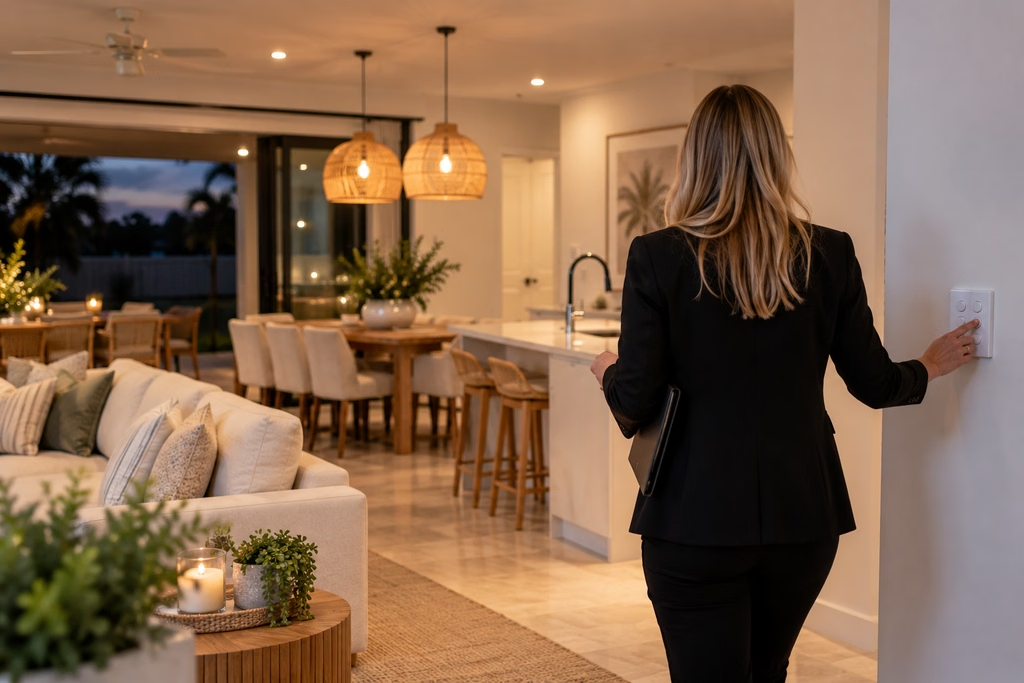
With so much to consider, it is not surprising that some questions only arise after they leave.
A buyer may want clarification about the age of the roof, the location of a boundary, the dimensions of a shed or the inclusions that form part of the sale. They might also want to arrange a second inspection to take a closer look at particular features.
Following up provides an opportunity to answer these questions and understand whether the property remains of interest.
For the agent, these conversations can also reveal whether buyers are actively considering the home, comparing it with other listings or waiting for additional information.
Importantly, not every buyer will be ready to make an offer immediately after an inspection. Some need time to review their finances, research comparable properties or speak with family members before deciding.
An effective follow-up process recognises these differences and keeps communication open without creating unnecessary pressure.
The Surprising Value of Honest Buyer Feedback
One of the greatest benefits of real estate follow-up is the opportunity to collect genuine buyer feedback.
For sellers, it can be difficult to know exactly how prospective purchasers are responding to their property. They might see a busy open home and assume everyone is interested, or experience a quieter inspection and worry that something is wrong.

However, attendance numbers only tell part of the story.
A property could attract numerous visitors who are still researching the market, while another home might receive fewer inspections but generate strong interest from buyers who are financially prepared and ready to proceed.
By speaking with purchasers after their inspections, agents can gain a better understanding of what buyers appreciate and what may be preventing them from taking the next step.
Perhaps people consistently compliment the spacious living areas and established gardens but feel the asking price is above comparable properties. Others may love the location but have concerns about renovation costs or the amount of maintenance required.
Individual opinions should never be treated as definitive evidence of market value. However, when similar feedback emerges repeatedly, it can provide useful insight into how the property is positioned within the current market.
This information can help sellers make more informed decisions throughout their campaign.
Why Some Buyers Need Time Before Making an Offer
Buying a home is one of the biggest financial decisions many people will ever make, so it is understandable that purchasers sometimes need time to consider their options.
A buyer might attend an inspection on Saturday, spend Sunday reviewing their budget and comparing properties, then decide on Monday that they would like to arrange another viewing.
Others may be waiting for their existing property to sell, speaking with their lender or weighing up the costs of possible improvements.
Not every delay means a buyer has lost interest.
Real estate follow-up allows agents to remain available during this decision-making process and provide relevant information when needed.
For example, a buyer who initially seemed uncertain about a home’s layout might feel more confident after reviewing the floorplan. Another may appreciate receiving accurate shed measurements or information about nearby schools and facilities.
Sometimes, the right information at the right time can help buyers determine whether a property genuinely meets their needs.
However, it is equally important to respect buyers who have decided the home is not suitable. Good follow-up means listening to the response, recognising when someone is no longer interested and focusing attention where it can genuinely be helpful.
How Follow-Up Helps Sellers Understand Their Campaign
For homeowners, selling can be an emotional experience. There is often considerable anticipation surrounding the first open home, the number of enquiries received and the possibility of receiving an offer.
This makes regular communication from the agent essential.
An effective real estate follow-up process does not simply involve speaking with potential buyers. It also involves keeping sellers informed about what is happening throughout their campaign.
After inspections, sellers should have a clear understanding of the level of buyer interest, the feedback received and any questions or concerns that have emerged.
Marketing performance can also form part of these discussions, including online engagement, enquiries, inspection attendance and how the property is performing against competing listings.
Most importantly, sellers should understand what the information actually means.
For example, strong online views but limited inspection activity may suggest that buyers are interested enough to look at the advertisement but are not yet motivated to visit. Alternatively, consistent inspections without offers may indicate that potential purchasers are still comparing value, suitability or property condition.
These patterns do not always point to a single explanation, but they can help guide productive conversations about the campaign.
When sellers receive meaningful updates, they are better equipped to make decisions with confidence rather than wondering what is happening behind the scenes.
Why Follow-Up Is Especially Important in a Changing Market
Property markets do not remain the same forever, and buyer behaviour can change considerably as conditions evolve.

In Hervey Bay, recent market activity has shown buyers becoming more cautious, taking longer to make decisions and spending additional time comparing available properties. While homes are continuing to sell and prices have generally been holding, the increase in properties listed for sale has given purchasers more options to consider.
In this environment, thoughtful real estate follow-up becomes particularly valuable.
When buyers have a greater selection of properties available, they may inspect several homes before deciding which best meets their requirements. They may also be more conscious of their budgets, renovation costs and the overall value being offered.
Maintaining communication can help agents understand how a property compares with these alternatives and whether genuine buyer interest is developing.
It can also help identify purchasers whose circumstances have changed.
Someone who was not ready to make an offer a few weeks earlier may have since secured finance, sold their existing home or decided that a particular property is better suited to their needs than the alternatives they have inspected.
The important thing is to communicate respectfully and provide relevant updates rather than simply repeating the same sales message.
In a more selective market, understanding buyers can be just as important as attracting them.
The Difference Between Helpful Follow-Up and Being Pushy
There is an important distinction between maintaining professional communication and making buyers feel pressured.
Nobody wants to receive constant phone calls, repeated messages or unnecessary reminders about a property they have already decided is not suitable.
Effective follow-up should feel helpful, personal and relevant.
For some purchasers, a brief phone call after an inspection may be the easiest way to discuss their thoughts. Others may prefer a text message or email, especially if they are busy or simply gathering information.
Respecting these preferences can make the process more comfortable for everyone involved.
An agent might ask whether the property met the buyer’s expectations, whether there are any questions they can answer or whether another inspection would be helpful.
If the buyer is not interested, understanding their reasons can provide useful feedback without trying to change their mind.
Good follow-up is about creating genuine conversations, not manufacturing urgency or encouraging decisions that buyers are not comfortable making.
Trust is built when people feel listened to, respected and properly informed.
How One Conversation Can Reveal a Serious Buyer
It is not always obvious who is genuinely interested in purchasing a property.
Some buyers are enthusiastic during inspections, asking numerous questions and openly discussing how they would use different rooms. Others prefer to inspect quietly, take notes and discuss their thoughts privately afterwards.
This means an agent cannot always determine someone’s level of interest from their behaviour at the open home alone.
Follow-up conversations provide another opportunity to understand what buyers are considering.
A purchaser may reveal that they have already obtained finance pre-approval, are comparing the property with another home or would like to arrange a building and pest inspection if they proceed with an offer.
Another might mention that the home’s location is ideal but they need to confirm whether their furniture will fit.
These details help the agent understand the buyer’s circumstances and provide relevant assistance.
However, it is important not to assume that a buyer’s enthusiasm guarantees they will make an offer. Likewise, a quieter buyer should not automatically be considered less serious.
Every purchaser approaches the process differently, and the best agents recognise the importance of treating each enquiry professionally.
Why Second Inspections Can Be So Important
A second inspection is often a valuable opportunity for buyers to assess a property more carefully.
During their first visit, purchasers may focus on the overall atmosphere, presentation and initial impression. When they return, they often pay closer attention to practical details.

They may measure rooms, inspect storage areas, examine the backyard or consider how the home would accommodate their furniture and everyday routines.
Some buyers bring a partner, family member or trusted adviser to help them assess the property.
By following up after the initial inspection, agents can identify whether buyers would benefit from another viewing and help arrange access where appropriate.
For sellers, requests for second inspections can be encouraging, although they should not be interpreted as guaranteed offers.
They may indicate that purchasers are giving the property further consideration and want additional information before deciding.
Providing reasonable opportunities for buyers to revisit a home can help them make informed decisions while allowing sellers to understand the level of genuine interest.
How Buyer Feedback Can Influence a Sales Strategy
An effective property campaign should respond to the information being received rather than continuing unchanged regardless of buyer activity.
This is another reason real estate follow-up matters.
When agents speak with buyers, review inspection activity and monitor marketing performance, they can identify patterns that may warrant further discussion with the seller.
For example, if purchasers repeatedly express concern about a property’s presentation, minor improvements might help address those issues.
If buyers consistently compare the home with similarly priced properties offering additional features, it may be worth reviewing the current pricing strategy.
Alternatively, if a property is attracting strong interest from buyers with specific lifestyle requirements, the marketing could be adjusted to place greater emphasis on those features.
A home with exceptional side access and shedding might particularly appeal to caravan or boating enthusiasts, while a property with flexible living spaces could attract families requiring room for multiple generations.
The aim is not to change the strategy every time someone offers an opinion.
It is to use consistent, relevant feedback alongside comparable sales, current listings and professional market knowledge to determine whether adjustments are appropriate.
Why Communication Matters When Offers Are Being Considered
When buyers begin discussing offers, clear communication becomes even more important.
Purchasers may have questions about contract conditions, settlement timeframes, inclusions or the process involved in submitting an offer.
At the same time, sellers need to understand the details of offers received so they can make informed decisions.
Price is important, but it is not always the only consideration. Deposit arrangements, finance conditions, building and pest inspection provisions and proposed settlement dates can also influence how an offer is assessed.
Professional real estate follow-up helps ensure information is communicated clearly between the parties while respecting confidentiality and legal obligations.
Where multiple offers are involved, agents must also be careful to handle the process fairly and transparently, without misleading buyers or creating artificial pressure.
For both buyers and sellers, this stage can involve significant emotions and financial considerations.
Clear, accurate communication helps everyone understand the next steps and reduces the likelihood of confusion or unnecessary uncertainty.
Why Follow-Up Does Not Stop When a Contract Is Signed
One common misconception is that the agent’s role is largely complete once a buyer and seller have signed a contract.
In reality, there can still be several important stages before settlement.
Depending on the contract, buyers may need to arrange finance approval, building and pest inspections or other investigations within the applicable timeframes.
Solicitors and conveyancers play important roles in managing contractual requirements, legal advice and the settlement process, while agents continue to assist with communication and practical arrangements within their responsibilities.
For sellers, this period can involve waiting for updates and wanting reassurance that everything is progressing as expected.
For buyers, there may be questions about accessing the property for agreed inspections, final inspection arrangements or practical matters before moving in.
Maintaining clear communication throughout this stage helps reduce misunderstandings and keeps both parties better informed.
It is another reminder that a successful sale is not simply about obtaining an offer. It is about helping the transaction progress smoothly through to settlement.
How Great Follow-Up Builds Long-Term Relationships
Real estate is ultimately a people-focused industry, and the relationships developed during a transaction can continue long after the property has changed hands.
A buyer who is not ready to purchase today may be actively searching several months from now. A homeowner who has recently sold might return to the market in the future or recommend an agent to family and friends.
Thoughtful follow-up can help build these long-term relationships by demonstrating reliability, professionalism and genuine interest in people’s property goals.
However, staying in touch should always be appropriate and respectful of communication preferences and privacy requirements.
It might involve providing relevant market information, answering a future property question or helping someone understand their options when circumstances change.
For buyers and sellers, having an agent who remains approachable and helpful can make future property decisions feel much less overwhelming.
For agents, it reinforces an important principle: the value of good service extends beyond a single transaction.
Why Local Knowledge Makes Follow-Up More Valuable
In a market such as Hervey Bay, local knowledge can make buyer conversations especially useful.
Different suburbs attract buyers with different priorities, and understanding these preferences can help agents provide more relevant information.
For example, someone searching in Urangan may place particular importance on access to the Esplanade, boating facilities and local amenities. Buyers considering Point Vernon might appreciate established neighbourhoods, generous allotments and proximity to coastal recreation.
Families exploring Wondunna or Urraween may be comparing schools, shopping facilities, hospitals and newer housing options, while purchasers considering Scarness and Torquay may be drawn to established coastal character and convenient beachside living.
By understanding what buyers are genuinely searching for, an agent can help identify whether a particular property aligns with those priorities.
If one home is not suitable, the conversation may also provide an opportunity to assist the buyer with other relevant properties, where they are happy to receive that assistance.
This is one of the advantages of working with a local agency that understands both the properties available and the lifestyles buyers are hoping to achieve.
The Often-Overlooked Importance of Following Up With Sellers
While buyer follow-up receives considerable attention, communication with sellers is equally important.
Selling a home can involve uncertainty, especially when enquiry levels fluctuate or a property takes longer to sell than originally anticipated.
Regular updates help sellers understand what is happening rather than relying on assumptions about the market.
A meaningful campaign update should go beyond simply reporting how many people attended an open home.
It should explain what buyers are saying, whether further enquiries are developing, how the property is comparing with competing listings and whether the existing strategy remains appropriate.
Even when there is little new activity to report, honest communication matters.
Sellers should not be left wondering whether enquiries have been received or whether their agent is actively working on the campaign.
Keeping homeowners informed allows them to feel involved in the process and better equipped to make decisions as circumstances change.
The Real Difference Between Advertising and Selling
Professional photography, engaging property descriptions, online advertising and strong social media exposure all play important roles in bringing properties to the attention of buyers.
However, marketing is only one part of the sales process.
Advertising helps generate awareness and enquiries. Inspections allow buyers to experience the property firsthand. Follow-up provides the opportunity to understand their response, answer questions and help them determine whether they would like to proceed.
Each stage contributes something different.
A beautifully marketed property may attract significant online attention, but without meaningful buyer communication, it can be difficult to understand how that interest is developing.
Similarly, a quieter campaign can still produce a positive result when an agent is communicating effectively with genuine buyers and providing accurate information to the seller.
Successful real estate follow-up brings these different parts of the campaign together, helping turn marketing activity into useful conversations and informed decisions.
Why Consistent Follow-Up Can Make a Lasting Difference
At its heart, real estate follow-up is about communication, understanding and attention to detail.
It helps buyers obtain the information they need, gives sellers a clearer picture of market response and allows agents to identify opportunities that might otherwise be overlooked.
In a market where buyers are comparing properties carefully and taking more time to make decisions, these conversations can be particularly important.
Not every enquiry will lead to an inspection, not every inspection will lead to an offer and not every offer will result in a completed sale. But treating each stage professionally can help create a more transparent and effective sales process.
At Carter Cooper Realty, we understand that selling a property involves much more than placing an advertisement online and opening the front door on inspection day. It is about understanding buyers, keeping sellers informed and providing personal service throughout the entire campaign.
Whether a property attracts immediate interest or requires a more patient approach, strong communication remains an essential part of achieving the best possible outcome.
Because sometimes, the most important part of selling a home is not the first conversation you have with a buyer. It is the conversation that happens afterwards!