
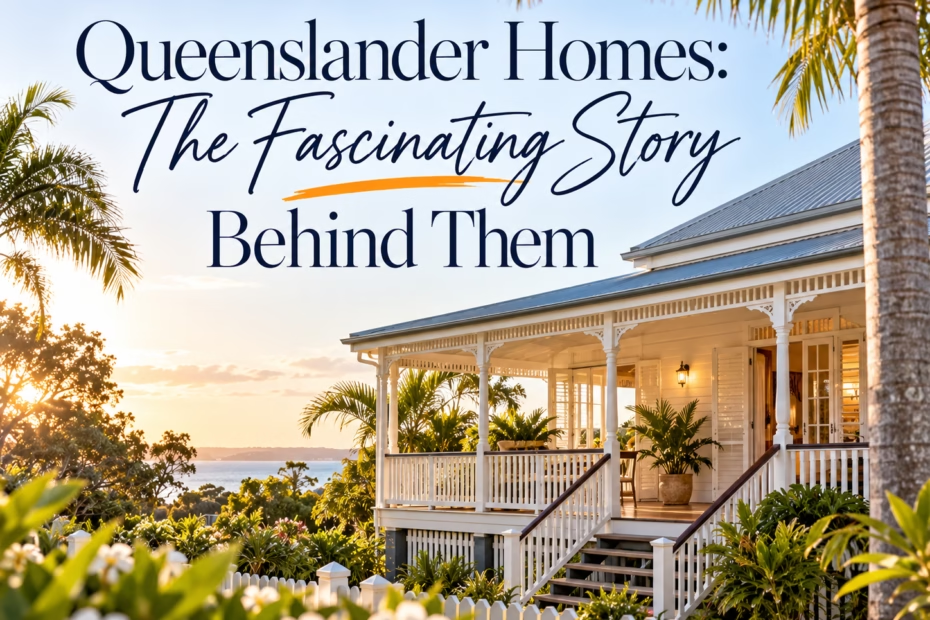
There is something undeniably special about Queenslander homes. From their charming wraparound verandahs and beautiful timber floors to their soaring ceilings and unmistakable character, these iconic properties have become a treasured part of Queensland’s identity. But have you ever wondered where the idea for these distinctive houses actually came from? The fascinating story behind Queenslander homes goes back more than 150 years, when early settlers began discovering that the traditional houses they knew weren’t necessarily suited to Australia’s hot, humid climate.
Where Did Queenslander Homes Originate?
The story of Queenslander homes dates back to the 1800s, when European settlers began establishing communities throughout Queensland. Early houses were often influenced by British architectural styles, but there was one major problem. Queensland’s climate was completely different from the cooler conditions these designs were originally intended for. Intense summer heat, tropical downpours, humidity and the need for better ventilation meant that housing needed to evolve.
Rather than following one particular architect’s vision, Queenslander homes gradually developed through a combination of practical building techniques, available materials and influences from colonial architecture. The result was a distinctive housing style that embraced the environment rather than working against it. By the late 1800s, raised timber houses with spacious verandahs were becoming a familiar sight across Queensland, laying the foundations for one of Australia’s most recognisable architectural styles.
Why Were Queenslander Homes Built on Stumps?
One of the most recognisable features of traditional Queenslander homes is their elevated design. While the raised appearance certainly adds character, it originally served several practical purposes.
Building homes above ground level allowed air to circulate underneath the floorboards, helping reduce heat inside during Queensland’s warmer months. The elevation also provided protection from surface water and flooding in suitable locations, while making it easier to inspect and manage termite activity. In many households, the area underneath became a valuable space for storage, laundry facilities and everyday activities.
It was a clever solution to some of the challenges of living in Queensland, and one that still influences modern home design today.
The Beautiful Features That Made Queenslander Homes Iconic
Imagine sitting on a wide timber verandah, enjoying a refreshing afternoon breeze while overlooking a leafy garden. This relaxed lifestyle is exactly what helped make Queenslander homes so appealing.
Wide verandahs provided much-needed shade from the harsh sun and offered a sheltered outdoor space during tropical rain. High ceilings, generous windows, timber construction and strategically positioned doors helped encourage airflow throughout the home. Steeply pitched roofs were another familiar characteristic, while decorative fretwork, timber balustrades and ornate details gave many properties their distinctive personality.
Interestingly, timber became the preferred building material because it was widely available throughout Queensland and could be worked into a variety of practical and decorative designs. Over time, these features helped transform Queenslander homes from relatively simple timber cottages into some of the most beautiful character residences in the country.
How Queenslander Homes Became a Timeless Australian Treasure
As Queensland’s towns and cities continued to grow, the traditional Queenslander evolved alongside them. Different decades introduced new rooflines, floorplans and decorative details, with influences ranging from Victorian architecture to the popular bungalow designs of the early twentieth century.
What began as a practical response to local conditions gradually became something much more significant. Queenslander homes developed their own architectural identity, reflecting the relaxed indoor-outdoor lifestyle that Queensland is now famous for.
Today, many homeowners are passionate about preserving original features such as polished timber floors, VJ walls, decorative fretwork and traditional verandahs. Others carefully renovate and extend older properties to combine their historical charm with the convenience of contemporary living.
Why We Still Love Queenslander Homes Today
Despite the popularity of modern architectural designs, Queenslander homes continue to capture the hearts of buyers across the state. There is a warmth and individuality to these properties that can be difficult to recreate in a newly built home.
Here in the Fraser Coast region, including historic Maryborough and beautiful Hervey Bay, traditional timber homes remain an important part of our architectural landscape. Whether it is a beautifully restored character residence, a charming high-set cottage or a thoughtfully renovated family home, these properties offer an appealing combination of history, personality and lifestyle.
Of course, owning an older Queenslander can also mean additional maintenance, particularly when it comes to timber protection, painting, roofing and ongoing upkeep. However, for many buyers, the opportunity to own a piece of Queensland’s history makes these homes incredibly special.
A Remarkable Legacy Worth Preserving
From their humble beginnings in the 1800s to their enduring popularity today, Queenslander homes are much more than a particular style of building. They tell the story of how Queenslanders adapted to their environment, embraced outdoor living and developed an architectural identity of their own.
Their timeless charm, practical design and unmistakable character continue to inspire homeowners, renovators and buyers throughout Queensland.
And perhaps that is the real beauty of Queenslander homes. They were originally designed to make life more comfortable, yet generations later, they continue to make people fall in love with the idea of calling Queensland home.
For more information about the fascinating architectural history of these properties, explore the State Library of Queensland’s research into traditional house designs or discover how Queenslander homes evolved throughout the 1930s and 1940s.