
Selling an inherited property can be an emotional journey filled with memories, unexpected responsibilities and important decisions. Whether it’s a cherished family home, a coastal retreat or an investment property, knowing what to do next can feel overwhelming.
For many families, an inherited home represents much more than bricks and mortar. It’s a place filled with stories, milestones and memories. However, managing a property after the loss of a loved one can also bring financial pressures, legal responsibilities and difficult family discussions.
The good news? Selling an inherited property doesn’t need to be complicated. With the right preparation, professional guidance and a clear strategy, you can navigate the process with confidence.
1. Selling an Inherited Property: Where to Begin
Before making any decisions, it’s important to understand who has the legal authority to sell.
In Queensland, the process depends on how the property was owned, whether there is a valid will and who has been appointed to administer the deceased estate.
Some important questions include:
- Has probate or letters of administration been granted, or are they required?
- Who has the authority to sell the property?
- Are multiple beneficiaries involved?
- Are there outstanding mortgages or debts?
- Are there conditions in the will that affect the sale?
A solicitor experienced in estate administration can help clarify these responsibilities.
For further guidance, visit Queensland Courts – Wills and Estates.
2. A Tough Decision: Sell, Rent or Keep?
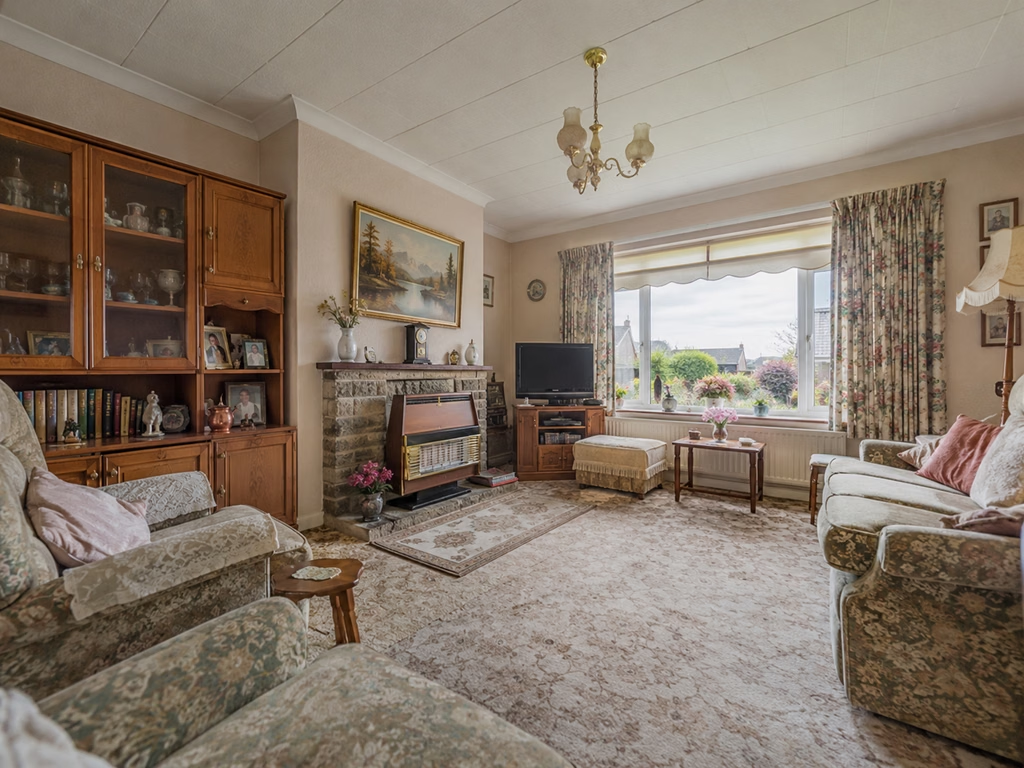
One of the most challenging parts of inheriting a property is deciding what happens next.
Sell the property: Selling an inherited property may release valuable equity, help beneficiaries move forward and eliminate ongoing property expenses.
Rent the property: If the home is in a desirable location, renting could provide ongoing income. However, it also brings maintenance costs, landlord responsibilities and property management considerations.
Keep the family home: Sometimes, sentimental value outweighs financial considerations. Retaining a property may be possible if ownership arrangements and ongoing costs are manageable.
Every situation is different. Understanding your long-term goals is essential before deciding on your next move.
3. Discover Your Property’s Hidden Value

An inherited home could be worth considerably more than expected, particularly if it has been held within the family for decades.
Hervey Bay’s established suburbs offer a wide variety of properties, each attracting different types of buyers.
A charming older home near the Esplanade could appeal to coastal lifestyle buyers, while a generous allotment may attract investors, renovators or developers.
Before selling an inherited property, obtaining a professional market appraisal can help you understand its current position in the market.
Considerations include:
- Recent comparable property sales
- Land size, location and zoning
- Property condition and presentation
- Development potential, subject to approvals
- Current buyer demand
A knowledgeable local agent can identify opportunities that might otherwise be overlooked.
4. The Emotional Challenge of Letting Go

Selling an inherited property can be especially difficult when the home holds decades of treasured family memories.
Sorting through personal belongings, photographs and furniture can bring back powerful emotions.
Rather than rushing, approach the process one manageable step at a time.
Start by identifying important documents, family keepsakes and sentimental possessions before arranging the remaining belongings.
If several family members are involved, clear communication can help prevent unnecessary disagreements.
Remember, selling a home doesn’t mean losing the memories created within it.
5. Simple Changes That Could Boost Buyer Appeal
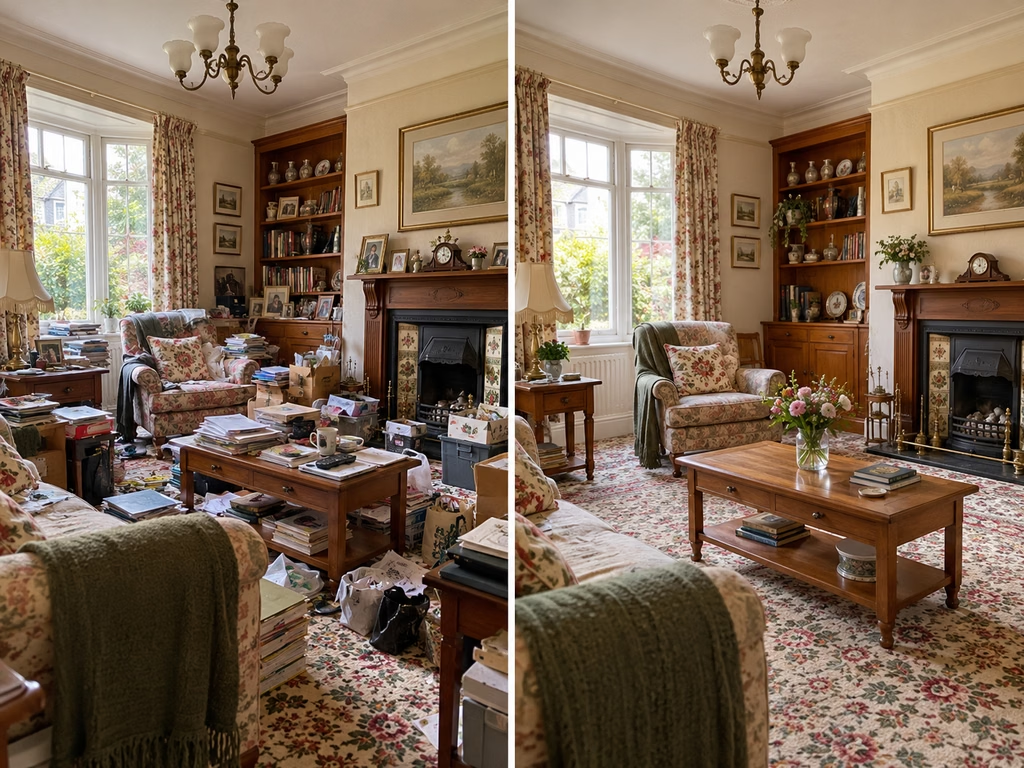
Preparing an inherited property for sale doesn’t always mean spending thousands on renovations.
Sometimes, the simplest improvements make the strongest first impression.
A thorough clean, freshly maintained gardens, minor repairs and decluttered rooms can help buyers appreciate a home’s potential.
Professional photography and thoughtful presentation can also transform the way a property appears online.
However, not every home needs to be renovated before selling.
An older property may attract buyers looking for a renovation project, while a well-presented home could appeal to purchasers wanting to move straight in.
When selling an inherited property, the secret is understanding what buyers value and avoiding unnecessary expenses.
6. Don’t Let Unexpected Costs Catch You Out
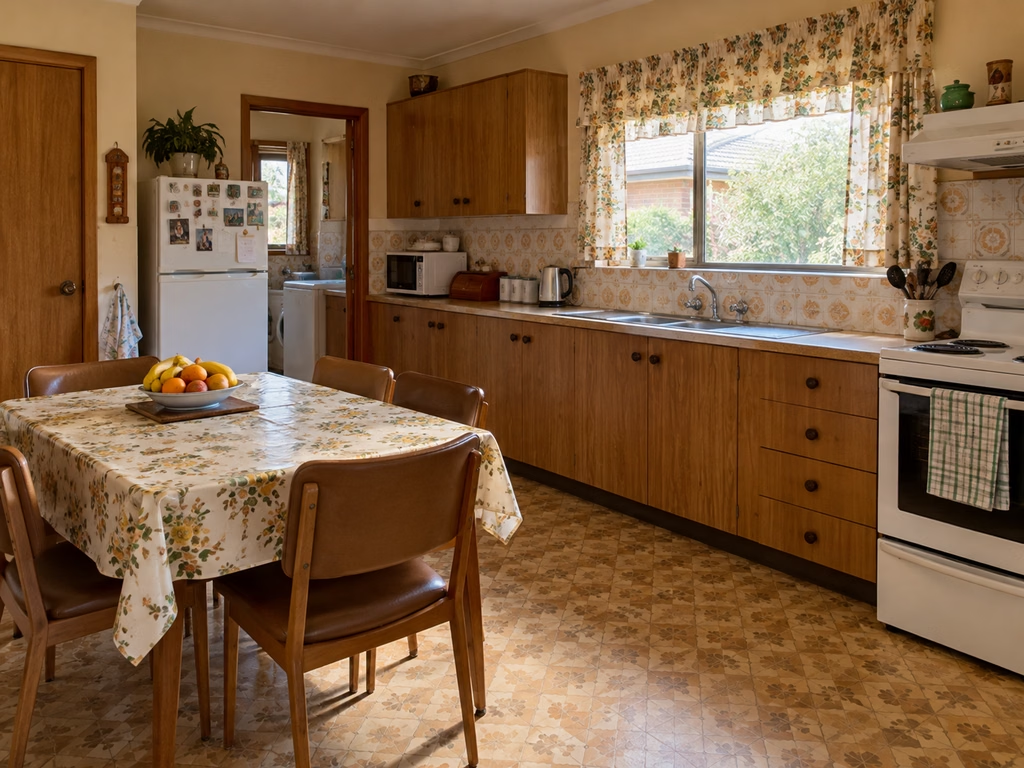
Selling an inherited property can involve financial responsibilities that families may not initially anticipate.
These could include outstanding rates, insurance, maintenance, mortgage repayments, legal expenses and selling costs.
Capital gains tax is another important consideration.
Depending on the circumstances, inherited properties may qualify for a full or partial capital gains tax exemption. Certain conditions, including the property’s ownership history, previous use and the timing of the sale, can affect the outcome.
The two-year rule is particularly important in some deceased estate situations, although an exemption is not automatic.
For reliable information, refer to the Australian Taxation Office – Capital Gains Tax on Inherited Property.
Seeking professional financial and legal advice before selling can help prevent costly surprises.
7. Why Hervey Bay’s Location Can Change Everything

When selling an inherited property in Hervey Bay, location can significantly influence the marketing strategy.
A coastal home in Torquay, Scarness or Urangan may appeal to lifestyle buyers, while properties in established residential neighbourhoods could attract families, investors or renovators.
Larger blocks may also offer opportunities beyond their existing homes, depending on zoning, restrictions and council approval.
Understanding these differences is essential.
Rather than applying the same approach to every property, an effective sales campaign should highlight the home’s unique features and target the buyers most likely to appreciate them.
8. Important Queensland Selling Requirements
Before placing an inherited home on the market, it’s important to understand the property’s disclosure obligations.
Queensland introduced a mandatory seller disclosure scheme on 1 August 2025. Subject to the applicable rules and exemptions, sellers must provide prescribed information and documents to buyers before they sign a contract.
This makes early preparation and appropriate legal advice particularly important.
You can learn more through the Queensland Government’s Seller Disclosure Guide.
9. Should You Renovate Before Selling?

When selling an inherited property, one of the biggest questions is whether renovating will increase its value or simply add unnecessary expenses.
An older family home may benefit from a fresh coat of paint, updated flooring, modern fixtures or improvements to the kitchen and bathrooms. However, not every renovation will deliver a worthwhile return.
Before committing to expensive upgrades, consider the property’s current condition, location and likely buyer market.
Sometimes, simple improvements can make a powerful difference:
- Fresh paint: Brighten tired interiors and create a welcoming atmosphere.
- Updated flooring: Replace worn carpets or dated finishes for a fresher appearance.
- Kitchen improvements: Consider new handles, benchtops or cabinetry finishes instead of a complete renovation.
- Bathroom refresh: Modern tapware, mirrors and fittings can improve presentation without major construction.
- Street appeal: Tidy gardens, pressure cleaning and minor exterior improvements can create a stronger first impression.
In some cases, particularly with older homes on larger allotments, buyers may prefer the opportunity to renovate themselves or explore the property’s future potential.
The secret is knowing when to renovate and when to sell as-is.
Before spending thousands, speak with an experienced local real estate agent who can help identify which improvements may genuinely increase buyer appeal and which could cost more than they’re worth.
When selling an inherited property, a smart renovation strategy isn’t about spending the most money. It’s about making the right improvements to achieve the best possible result.
10. Your Next Chapter Starts Here
Selling an inherited property can feel overwhelming, but with the right guidance, it can also be an opportunity for a fresh start.
From understanding legal responsibilities and uncovering hidden property value to deciding whether renovations are worthwhile, every decision plays an important role in achieving a successful sale.
The key is having the right people by your side.
At Carter Cooper Realty, we understand that selling an inherited property is more than just a transaction. It’s about respecting the memories, understanding your circumstances and creating a clear path forward.
Whether you’re ready to sell or simply exploring your options, contact Kim Carter at Carter Cooper Realty for honest advice, local market knowledge and a personalised selling strategy.
Every home has a story. Let us help you make your next move a confident one.